 100% Australian owned

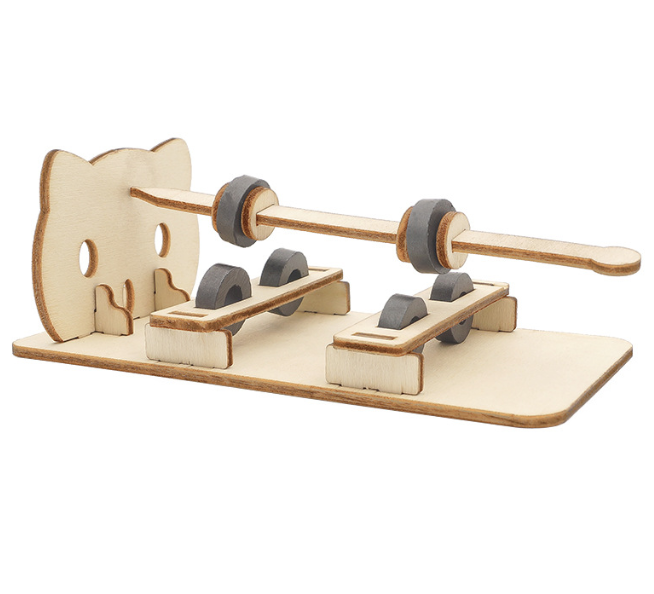
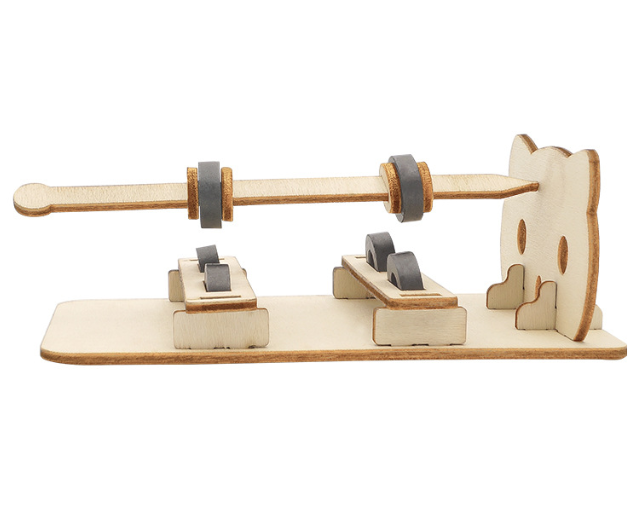
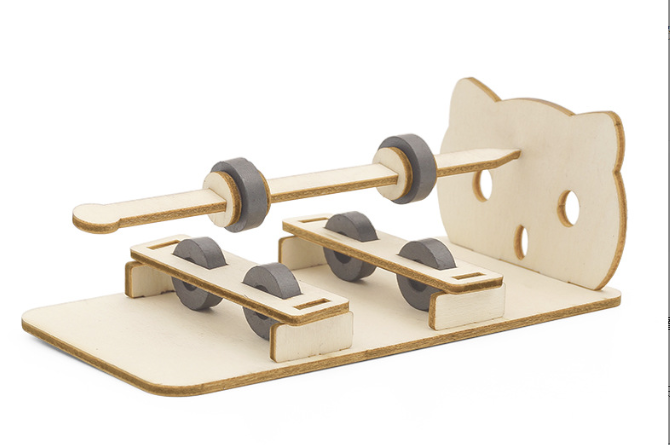
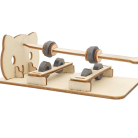
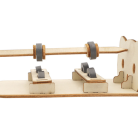
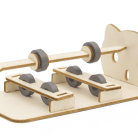
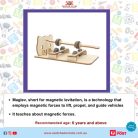
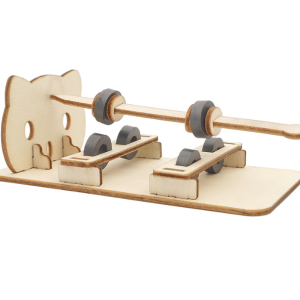
SwitchedOnToys – Magnetic Levitation
Maglev, short for magnetic levitation, is a technology that employs magnetic forces to lift, propel, and guide vehicles, removing the need for traditional wheels, axles, and bearings.
SwitchedOnToys – Magnetic Levitation : Maglev, short for magnetic levitation, is a technology that employs magnetic forces to lift, propel, and guide vehicles, removing the need for traditional wheels, axles, and bearings. The most prominent application of maglev technology is in maglev trains, which are high-speed vehicles that leverage magnetic principles for smooth and efficient movement.
How Maglev Works
-
Levitation: Maglev trains float above the tracks using powerful magnets, achieved through either electromagnetic suspension (EMS) or electrodynamic suspension (EDS):
-
EMS: Employs electromagnets on both the train and the track to create a constant attractive force that lifts the train. Sensors adjust the magnetic force continuously to keep the train at a stable height.
-
EDS: Utilizes superconducting magnets that induce currents in coils on the track. This creates both repulsive and attractive forces that lift and stabilize the train.
-
Maglev trains are driven by a linear motor, with the track functioning as the stator (stationary part) and the train as the rotor (moving part). This motor generates a traveling magnetic field that propels the train forward or backward.
-
Magnetic forces used for levitation and propulsion also guide the train along the track, keeping it centred and stable without physical contact.
Advantages of Maglev Trains
-
High Speed: Maglev trains can reach speeds over 600 km/h (373 mph), far exceeding traditional rail systems.
-
Smooth Ride: With no physical contact between the train and the track, maglev trains offer a smoother, quieter ride with less vibration and noise.
-
Low Maintenance: Fewer moving parts and the absence of friction between wheels and rails result in lower maintenance requirements.
-
Efficiency: Maglev trains are more energy-efficient due to reduced friction, though significant energy is needed for levitation and propulsion.
Applications and Examples
-
Shanghai Maglev: One of the most notable maglev trains, operating in Shanghai, China, and reaching speeds up to 431 km/h (268 mph).
-
Chuo Shinkansen: A maglev line under construction in Japan, designed to connect Tokyo and Nagoya, and later extend to Osaka, with trains expected to reach speeds up to 500 km/h (311 mph).
| Weight | 0.06 kg |
|---|---|
| Dimensions | 15 × 7.5 × 2.8 cm |
Be the first to review “SwitchedOnToys – Magnetic Levitation”
You must be logged in to post a review.






Reviews
There are no reviews yet.