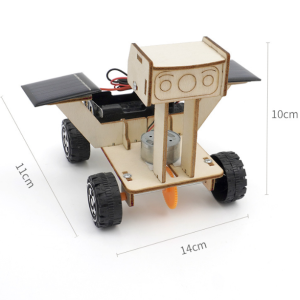
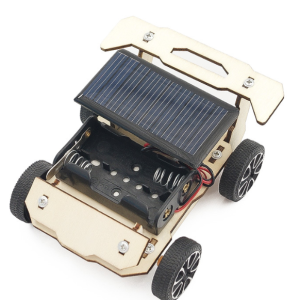
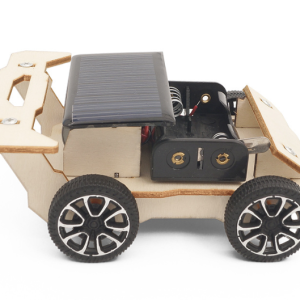
Solar, wind, and water energy are the world’s cleanest and most sustainable power sources. While wind and water energy require specific locations for energy conversion, solar energy is versatile and widely accessible. These renewable sources help reduce pollution and promote a greener future, making them essential for a cleaner, more sustainable planet.
Solar, wind, and hydropower are among the cleanest energy sources available today, offering sustainable alternatives to fossil fuels. These renewable energy sources generate power without polluting the environment, helping reduce carbon emissions and combat climate change. By harnessing natural elements, they provide a cleaner, greener future for the planet, supporting both environmental and energy needs.
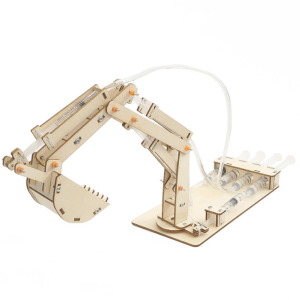
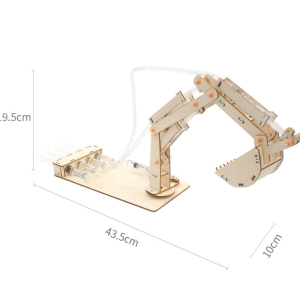
Hydraulic excavator is a multi-functional machine, which is widely used in hydraulic engineering, transportation, electric power engineering and mining excavation and other mechanical constructions.
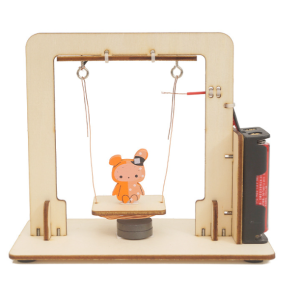
The seesaw is one of the items that most children like to play. Let us make a magnetic seesaw together to see why the magnetic seesaw will automatically return to its position and see what principle it uses.
The electromagnetic swing, or simple magnetic pendulum, offers an engaging example of STEM learning through hands-on experience. By using magnets to create motion, this fascinating device demonstrates the principles of magnetism and physics. Perfect for curious minds, it encourages exploration and critical thinking, making complex scientific concepts accessible and fun for learners of all ages.
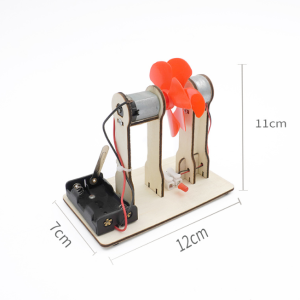
Wind power refers to converting the kinetic energy of wind into electrical energy. Wind energy is a kind of clean and pollution-free renewable energy. It has been used by people for a long time, mainly through windmills to pump water and grind noodles. Now, people are interested in how to use wind to generate electricity.
 100% Australian owned